
Steps in Oil and Meal Processing - Canola Council of Canada
The final step in refining any type of vegetable oil is deodorization. Steam distillation removes any compounds that could give the oil an unpleasant odour or taste. At this point, the canola oil is ready to be packaged and sold as a cooking oil, or further processed into other products.
Get Price
Canola Oil: Harmful Cooking Oil - Processed Vegetable Oil
Canola oil goes through the process of caustic refining, bleaching and degumming – all of which involve high temperatures or chemicals of questionable safety. And because itis high in omega-3 and 6 fatty acids, (11% and 21% respectively) which easily become rancid and foul-smelling when subjected to oxygen and high temperatures, it must be deodorized.
Get Price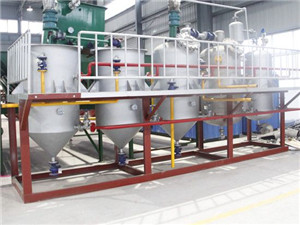
Advanced Canola Oil Refining Process - Offered by Oil Mill
Canola Oil Refining. Canola oil today is the most popular all-purpose vegetable oil across the world. Canola oil refining is quite a complicated oil processing process.Canola is distinguished from traditional rapeseed by the greatly reduced levels of the fatty acid, erucic acid and anti-nutritional compounds called glucosinolates.
Get Price
Vegetable Oil Refinery, Oil Refining Plant, Oil Refining
Chemical Refining In Chemical Refining, Vegetable Oil is treated with caustic lye for separation of free fatty acids from oil. This is a conventional process that can be applied to all oils. A byproduct of alkali refining is soap-stock, which is used for manufacture of low quality washing soap.
Get Price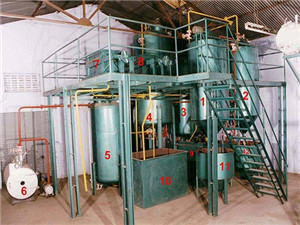
Canola Oil: Good or Bad? - Healthline: Medical information
The manufacturers call it the "world's healthiest cooking oil" - although some experts disagree. This article takes an in-depth look at canola oil and how it can affect your health.
Get Price
Is Canola Oil Bad for You? 6 Dangers of Canola Oil - Dr. Axe
Canola oil was first created in the early 1970s as a natural oil, but in 1995, Monsanto created a genetically modified version of canola oil. As of 2005, 87 percent of canola grown in the U.S. was genetically modified, and by 2009, 90 percent of the Canadian crop was genetically engineered.
Get Price
Does Canola Oil Taste the Same as Vegetable Oil When
Use vegetable oil or canola oil interchangeably in any recipe that calls for oil. If you use them in a recipe that calls for a solid fat, such as butter, replace each 1/4 cup of butter or shortening with 3 tablespoons of oil. Avoid using virgin and extra-virgin olive oils in baking unless you want a pronounced olive flavor.
Get PriceHow to make cannabis oil for homemade weed edibles
Canola oil has the mildest taste, and there are light olive oils that are not very fruity or strong. There is also refined coconut oil that has virtually no coconut taste.
Get Price
Canola Oil: Good or Bad? - Healthline: Medical information
One cooking fat that is heavily marketed as a healthy choice is canola oil. It is low in saturated fat and high in unsaturated fats, including omega-3 fatty acids .
Get Price
Canola Oil: Harmful Cooking Oil - Processed Vegetable Oil
Canola oil is a staple in most homes, especially in North America. The fatty acid make-up of the oil appear to make it ideal for cooking and is said to have health benefits due to its high level of monounsaturated fats (61%) and low level of saturated fats (7%).
Get Price
Canola Seed Oil Refinery Equipment /Portable Oil Refinery
Jun 20, 2018 Canola oil processing plant is a small plant to extract canola oil by info@ oilmillequipments Cotton Seeds Oil Refinery Plants 1-5T/D Edible Oil Refinery Plant is equipped with refining equipment to produce high-quality healthy oil.
Get Price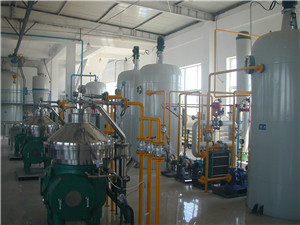
Edible oil refining | Cavitation Technologies, Inc.
Vegetable oil refining facilities process crude oils such as soybean oil, palm oil, rapeseed oil, canola oil, sunflower oil and other specialty oils including: peanut oil, olive oil and cottonseed oil.
Get Price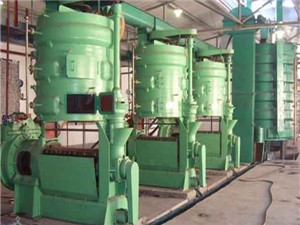
Chapter 5 : Processing and refining edible oils
Rural refining of oil-bearing plants can produce fats and oils of good quality which provide needed energy and fat soluble vitamins. Commercial refining produces fats and oils that can be of high quality and have the characteristics of bland taste, clear colour, good keeping quality and frying stability.
Get PriceSmall Edible Oil Refinery Plant - ABC Mach
Wide Application: can process various kinds of crude oil, including all kinds of vegetable oil, seeds oil and palm oil. It is the best choice for small refinery of cooking oil and salad oil. It is the best choice for small refinery of cooking oil and salad oil.
Get Price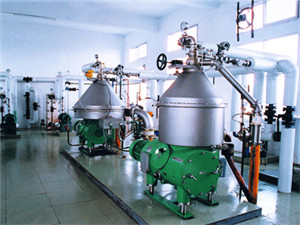
Herbal Oil: Canola Oil Benefits and Uses
Canola oil is widely promoted as the "healthiest salad and cooking oil available to consumers." 1 However, this information is rather flawed, as canola oil and similar highly processed cooking oils have untold dangers to your health. Before I discuss why canola oil is bad for you, as well as give my personal recommendations for the best cooking oil, I want to mention the flawed information
Get Price
6 Reasons to Steer Clear of Canola Oil | The Healthy Home
Cooking oil in professional kitchens is usually a mix of 25% olive oil to 75% canola oil . Interestingly, if you ask what cooking oil is used in the kitchen, the answer is usually “olive oil” even when this is
Get Price
Fully Automated Canola Oil Hexane Solvent Extraction Plant
Vegetable oil solvent extraction line rapeseed oil solvent . Expert of solvent extraction plant,solvent extraction machines for edible/ vegetable oil oilmakingmachine quality,greatest Or it extracts oils from pre- pressed or fully pressed cake of seeds containing more than 20% oil like sunflowers, peanuts, cotton seed, palm kernels, canola, copra, castor and a variety of other materials.
Get Price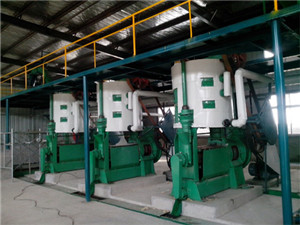
Small Scale Processing of Locally Produced Edible Oils
vs. bleached canola oil (right) Deodorizing Deodorizing uses steam, vacuum and other processes and will likely not be used by small-scale processors. Accelerated Shelf Life Study of Filtered Canola Oil vs. RBD Oil Results Lightly refined raw canola oil (filtered only) shows slower oxidation than commercially processed RBD canola oil.
Get Price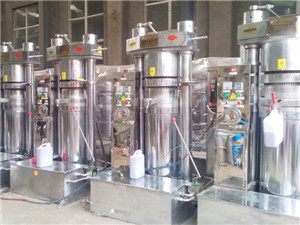
Avocado oil faq: uses, benefits & more | Chosen Foods
Canola oil is the most common of all cooking oils. Its smoke point is around 400 degrees, high enough to saute, deep fry or bake with. The danger with canola oil lies in its processing and its polyunsaturated fatty acid content.
Get Price
Ask the Expert: Concerns about canola oil | The Nutrition
The top four vegetable oils consumed in the United States are soybean, canola, palm, and corn oil. These are referred to as refined, bleached, deodorized oils – or RBD for short – because this describes the process by which they are manufactured.
Get Price
9.11.1 Vegetable Oil Processing - US EPA
Vegetable Oil Refining - Crude oil is typically shipped for refining to establishments engaged in the production of edible vegetable oils, shortening, and margarine.
Get Price
Cooking Oils With Low Smell | Our Everyday Life
Canola Oil. Readily available, inexpensive and a high smoke point make canola oil the first choice for cooking. Unless labeled otherwise, canola oil undergoes a chemical refining process to increase its stability, smoke point and remove any color and smell.
Get PriceCanola Seed Oil Refinery Equipment /Portable Oil Refinery
Jun 20, 2018 Canola oil processing plant is a small plant to extract canola oil by info@ oilmillequipments Cotton Seeds Oil Refinery Plants 1-5T/D Edible Oil Refinery Plant is equipped with refining equipment to produce high-quality healthy oil.
Get Price
Canola Oil Nutrition Facts: Pros, Cons & What You Need to Know
Safety First: Understanding Canola Oil Nutrition Facts and Picking a Healthy Cooking Oil When discussing whether or not canola and other vegetable oils are safe for human consumption, you have to look at the production process.
Get Price
Canola Oil vs Vegetable Oil - Which one should I use?
Canola Oil vs Vegetable Oil. Vegetable oils are actually seed based! Canola oil gets its name from the acronym Canada Ola and is derived from rapeseed plants. Vegetable oil and canola oil are two of the most popular consumer oils. Each oil contains approximately 120 calories and 14 grams of fat per gram.
Get Price
Chapter 5 : Processing and refining edible oils
Rural refining of oil-bearing plants can produce fats and oils of good quality which provide needed energy and fat soluble vitamins. Commercial refining produces fats and oils that can be of high quality and have the characteristics of bland taste, clear colour, good keeping quality and frying stability.
Get Price
Canola Cooking Oil | Exporter & Supplier Refined Canola
We are Credible Exporter and Supplier in Vegetable Cooking Oil Industry. We offer Premium Quality Refined Canola Cooking Oil to our Customers. The Oil that we provide is rich in various Essential Nutrients.Our Canola Cooking Oil is packaged under Premium Bottles, Pouches and Containers to ensure High Quality.
Get Price
10-50tpd Canola Oil Refinery Plant /cooking Oil Refinery
10-50tpd Canola Oil Refinery Plant /cooking Oil Refinery Plant , Find Complete Details about 10-50tpd Canola Oil Refinery Plant /cooking Oil Refinery Plant,Buy Canola Oil Refinery Plant,Cooking Oil Refinery Plant,Vegetable Oil Refinery Plant from Oil Pressers Supplier or Manufacturer-Henan Doing Mechanical Equipment Co., Ltd.
Get Price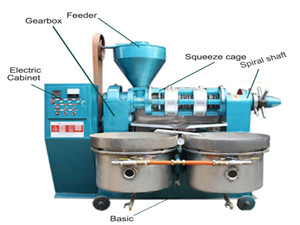
9 Reasons Canola Oil Is Bad for You (as in, Toss It ASAP)
On paper, canola oil looks like an optimal vegetable-based oil, with an incredible omega-6 to -3 ratio of 2:1. You want all of the foods you consume to be in the neighborhood of 4:1 and below. However, the omega-3 fatty acids found in plant-based sources comes
Get Price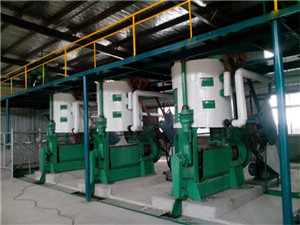
The 5 Best Cooking Oils For Health!
Canola is a stellar cooking oil because it has a neutral flavor, light texture, and a fairly high heat tolerance. You can use it in recipes such as stir-fry without impacting the taste. It's also a budget-friendly option for your frying pan.
Get Price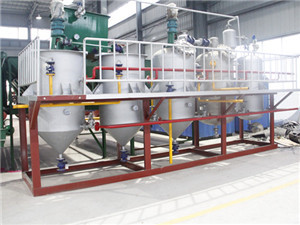
canola oil
This canola oil's neutral taste and light texture make Crisco Pure Canola Oil, 32 Ounce. by Crisco. $2.78 $ 2 78 ($0.09/Ounce) Exclusively for Prime Members. 4.3 out of 5 stars 6. Product Description... Crisco pure canola oil is cholesterol free. Crisco canola cooking oil Wesson Pure Canola Oil, 1.25 Gallon. by Wesson. More options
Get Price
Olive Oil vs. Canola Oil / Nutrition / Healthy Eating - FitDay
Olive oil and canola oil are both marketed as heart healthy oils for cooking and baking. However, while both oils are healthy, the two oils are very different. Olive oil is an oil that is made by pressing ripe olives and collecting their juices; canola oil is made from a hybrid of the rapeseed plant, and is a vegetable oil.
Get Price
Small Scale Processing of Locally Produced Edible Oils
vs. bleached canola oil (right) Deodorizing Deodorizing uses steam, vacuum and other processes and will likely not be used by small-scale processors. Accelerated Shelf Life Study of Filtered Canola Oil vs. RBD Oil Results Lightly refined raw canola oil (filtered only) shows slower oxidation than commercially processed RBD canola oil.
Get Price
Why Canola Oil is Not the Healthy Oil You've Been Led to
Moreover, in the chart below you’ll see that canola oil undergoes a heavy duty manufacturing process of abrasive refining, degumming, bleaching, and deodorization, using high heat and questionable chemicals before the final product is created.
Get Price
Canola Oil for Cooking
Canola oil contains omega-6 and omega-3 fatty acids and is high in monounsaturated fats. Rapeseed is "generally recognized as safe" by the United States Food and Drug Administration. It is liquid at room temperature, neutral-tasting, and can be used for cooking on the stovetop, and in cold dishes as a dressing ingredient or marinade.
Get Price
Is Canola Oil More Healthy Than Olive Oil? | LIVESTRONG.COM
Canola oil is slightly healthier than olive oil, although olive oil is also a healthy oil. Some oils are better than others for various cooking techniques, as oils have different smoke points. It's best to choose an oil based on how you're cooking food.
Get Price
Canola Oil vs Vegetable Oil | Organic Facts
Canola oil is a type of vegetable oil that is typically derived from rapeseed, although other oils pressed from cultivars of the Brassicaceae family also commonly go by the name canola oil. Vegetable oil is a general term defined as triglycerides or fats that have been extracted from a plant.
Get Price
The Canola Oil Myth: 10 Reasons Why It’s Damaging Your Health
Canola oil was considered a healthy cooking oil for years thanks to its low content of saturated fat. When the low-fat craze came to an end and research proved that saturated fats weren’t to blame for cardiovascular disease, canola oil became a subject of controversy.
Get Price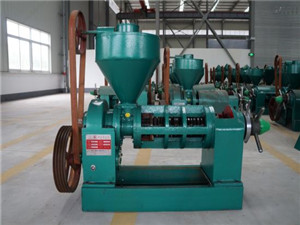
Canola Oil Processing Plant - Edible Oil Refining | Oil
Canola Oil Plant. Below are some pictures of canola oil plant, the first one is canola oil pressing plant, the second one shows the refining workshop of canola oil plant. Canola is an oilseed crop that was developed from traditional rapeseed by Canadian plant breeders during the 1970s.
Get PriceThe Dirty Truth Behind the Healthiest Cooking Oil
The process of making canola oil palatable and marketable is a lengthy one involving many questionable chemicals – seen here in this video… even this video showing the rotten refining process still dubs it one of the healthiest cooking oils.
Get PriceBest Oils for Vegan Baking› …› Vegan Baking Guides
The brief blast of heat isn’t always substantial enough to bring on rancidity and actually make the oil toxic, but it does act as a quick refining process that ends up being a waste of good oil.
Get Price
Professional Oil Refining Plant for Edible / Vegetable Oil
Edible/vegetable oil refining is a step by step process. Refining oil removes phospholipids, pigments, off-flavors, free fatty acids and other impurities. Refining oil removes phospholipids, pigments, off-flavors, free fatty acids and other impurities.
Get PriceCanola Oil Vs. Vegetable Oil: A Definitive Comparison
Canola Oil Canola is actually an acronym for Canadian oil, low acid. Canadian plant breeders developed canola in the early 1970s, by using conventional plant breeding methods on rapeseed, which is a plant that belongs to the family of mustard, turnips, radish, and other similar plants.
Get PriceCooking Oils With Low Smell | Our Everyday Life
Canola Oil. Readily available, inexpensive and a high smoke point make canola oil the first choice for cooking. Unless labeled otherwise, canola oil undergoes a chemical refining process to increase its stability, smoke point and remove any color and smell.
Get Price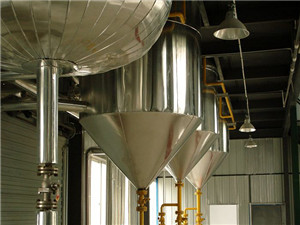
Does Canola Oil Taste the Same as Vegetable Oil When
Use vegetable oil or canola oil interchangeably in any recipe that calls for oil. If you use them in a recipe that calls for a solid fat, such as butter, replace each 1/4 cup of butter or shortening with 3 tablespoons of oil.
Get Price
Olive Oil vs. Canola Oil / Nutrition / Healthy Eating - FitDay
Olive oil and canola oil are both marketed as heart healthy oils for cooking and baking. However, while both oils are healthy, the two oils are very different. Olive oil is an oil that is made by pressing ripe olives and collecting their juices; canola oil is made from a hybrid of the rapeseed plant, and is a vegetable oil.
Get Price
The 5 Best Cooking Oils For Health!
Healthiest Cooking Oils 1. Canola Oil. so it's a better choice for high-heat cooking or for use in baked goods when you don't want a strong olive-oil flavor. While the refining process lays waste to much of the antioxidants in olive oil, data suggests extra-virgin olive oil can lose some of its antioxidant heft when heated.[2]
Get Price
Why Canola Oil Is Not A Health Food | Food Renegade
Moreover, canola oil is processed the same way as other refined vegetable oils, including deodorization (which is part of the refining process, not a substance). Once the oil has been extracted from the seed, it is refined to remove compounds in order for it to have culinary stability, longer shelf life and a lighter colour.
Get Price
Optimization of Bleaching Process - AOCS Lipid Library
Optimization of Bleaching Process Introduction. The bleaching of edible oils and fats is a part of the refining process of crude oils and fats, which removes contaminants that adversely impact the appearance and performance of these triglyceride (triacylglycerol)-based materials.
Get Price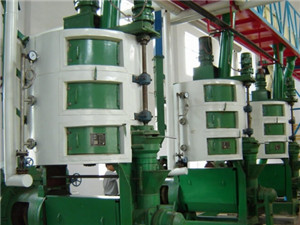
The Ugly Truth: Vegetable Oils Are Bad - Thank Your Body
The most common include rapeseed (canola oil), soybean, corn, sunflower, safflower, peanut, etc. Unlike coconut oil or olive oil that can be extracted by pressing, these new-fangled oils have to be extracted in very unnatural ways. Vegetable Oil are Bad: an unnatural process from the start.
Get Price