
3. PALM OIL PROCESSING - Home | Food and Agriculture
The oil winning process, in summary, involves the reception of fresh fruit bunches from the plantations, sterilizing and threshing of the bunches to free the palm fruit,
Get Price
Elaeis guineensis
Oil is extracted from both the pulp of the fruit (palm oil, an edible oil) and the kernel (palm kernel oil, used in foods and for soap manufacture). For every 100 kg of fruit bunches, typically 22 kg of palm oil and 1.6 kg of palm kernel oil can be extracted.
Get Price
Oil palm | tree | Britannica
Oil palm, (Elaeis guineensis), African tree in the palm family (), cultivated as a source of oil. The oil palm is grown extensively in its native West and Central Africa, as well as in Malaysia and Indonesia.Palm oil, obtained from the fruits, is used in making soaps, cosmetics, candles, biofuels, and lubricating greases and in processing tinplate and coating iron plates.
Get Price
Chapter 4 African oil palm - Food and Agriculture Organization
The African oil palm, which yields about 20t/ha/yr of fresh fruit bunches (Bolaños, 1986; Espinal, 1986: Garza, 1986), is capable of producing between three to five t/ha of crude oil from the fruit (mesocarp) and an additional 0.6 to 1.0 t/ha from the palm kernels (Ocampo et al., 1990a). Its productivity is influenced by climate, soil type, genetic factors, maturity, rainfall, fertilization and the harvest period.
Get Price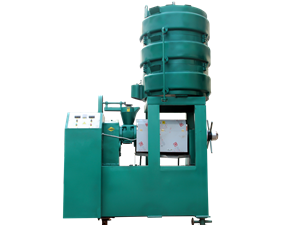
Palm Oil: Uses, Side Effects, Interactions, Dosage, and
van Stuijvenberg, M. E. and Benade, A. J. S. South African experience with the use of red palm oil to improve the vitamin A status of primary school children. Food & Nutrition Bulletin 2000;21(2
Get Price
Small-Scale Palm Oil Processing Business in Nigeria: A
The study concludes that small-scale oil palm processing is profitable and can also be a source of employment. Keywords: feasibility, Nigeria, Palm oil, processing equipment, profitability, small scale palm oil processing. 1 INTRODUCTION Palm oil has been an important ingredient in
Get Price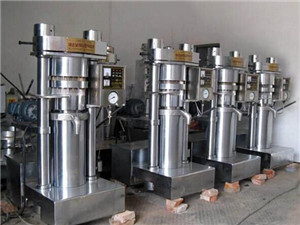
Palm oil-Extraction Process, Technology, Applications
Palm oil is a form of edible vegetable oil obtained from the fruit of the oil palm tree. The palm fruit is the source of both palm oil and palm kernel oil. Palm oil (from the African Oil Palm, Elais Guineensis) was long recognized in West African countries, and among West African peoples it is in widespread use as a cooking oil.
Get Price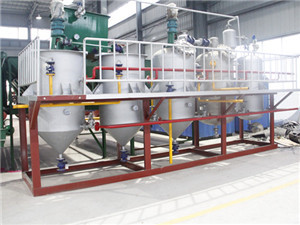
Palm oil
Palm oil is an edible vegetable oil derived from the mesocarp (reddish pulp) of the fruit of the oil palms, primarily the African oil palm Elaeis guineensis, and to a lesser extent from the American oil palm Elaeis oleifera and the maripa palm Attalea maripa. Palm oil is naturally reddish in color because of a high beta-carotene content.
Get Price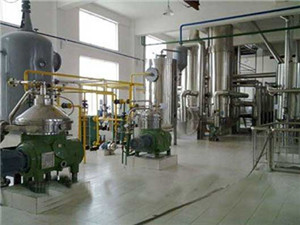
Palm oil in Africa | SPOTT.org
Palm oil in Africa The African oil palm ( Elaeis guineensis ) originated in West Africa and grows extensively in this region, but largely as low-yield multi-crop stands in and around villages, where it has been traditionally grown as a subsistence crop in small-scale farming systems for thousands of years.
Get Price
How to Extract Palm Oil From Red
Palm Fruit also known as African Oil Palm is an oval shaped fruit from the African palm tree (Elaeis guineensis ). The Outer red fleshy fruit is the primary source of palm oil while the single inner edible kernel nut is the primary source of palm kernel oil.
Get Price
Palm oil-Extraction Process, Technology, Applications
The palm fruit is the source of both palm oil and palm kernel oil. Palm oil (from the African Oil Palm, Elais Guineensis) was long recognized in West African countries, and among West African peoples it is in widespread use as a cooking oil.
Get Price
Small-Scale Palm Oil Processing Business in Nigeria: A
The study concludes that small-scale oil palm processing is profitable and can also be a source of employment. Keywords: feasibility, Nigeria, Palm oil, processing equipment, profitability, small scale palm oil processing. 1 INTRODUCTION Palm oil has
Get Price
Oil palm | tree | Britannica
Oil palm, (Elaeis guineensis), African tree in the palm family (), cultivated as a source of oil. The oil palm is grown extensively in its native West and Central Africa, as well as in Malaysia and Indonesia.Palm oil, obtained from the fruits, is used in making soaps, cosmetics, candles, biofuels, and lubricating greases and in processing tinplate and coating iron plates.
Get Price
Palm Oil Plantation Business Plans And Feasibility (Get an
The primary unit of production of the palm oil mill is the farm, where the oil palm tree is been cultivated to produce palm fruits, which is been harvested, processed, using milling machines to extract edible palm oil and kernel.
Get Price
Dendezeiro : African Oil Palm Agroecologies in Bahia
Figure 1. African oil palms surrounding an artisanal palm oil processing facility in the Lemêgo quilombo near Taperoá, Bahia, Brazil. Environmental groups have targeted oil palm plantations for their roles in deforestation and called for consumer bans of palm oil (Friends of the Earth 2008; WWF 2008).
Get Price
Making African Palm Oil Production Sustainable | Inter
The cooking oil extracted after the fruit of the oil palm is crushed is used in the food, cosmetics and agrofuel industries, and oil palm fever has infected several countries, leading to clashes over land, deforestation, labour disputes, water pollution, and even murders of local activists.
Get Price
Ex post evaluation of technology diffusion in the African
The people who call the Caltech expeller a “transitional” technology assume that it will be in use for a specific amount of time – a period bridging the practice of manual palm oil processing and the enrollment of Liberian producers into transnational palm oil production networks based on large plantations.
Get Price
Red palm oil - American Oil Chemists' Society
Palm oil processing. Palm oil is derived from the fruit of the oil palm tree, primarily the African oil palm Elaeis guineensis. In its natural, unprocessed state, palm oil is dark red in color due to a high content of carotenoids, including β-carotene (a vitamin A precursor that gives carrots their color) and lycopene.
Get PriceGrowth And Production of Oil Palm - Encyclopedia of Life
Milling and Oil Processing 7. Utilization and Use 8. Production and Trade main species: E. guineensis or African oil palm, and E. melanococca or American oil palm; the latter is only valuable for hybridization. Male and female inflorescences occur Growth And Production of Oil Palm
Get Price
Oil palm in Africa: Past, present and future scenarios
Oil Palm in Africa: Past, present and future scenarios 2 Index Introduction 3 A brief history of oil palm in Africa 4 BOX 1.- Corporate actors involved in the production of oil palm fuel in African countries 5 Different models of palm oil production 5 The oil palm area in palm oil producing countries 6
Get Price
Elaeis guineensis Jacq. - Purdue University
Reported from the African Center of Diversity, the African oil palm or cvs thereof is reported to tolerate high pH, laterite, low pH, savanna, virus, and waterlogging (Duke, 1978). Cultivars are said not to occur (Reed, 1976), but Ehganullah (1972) published on oil palm cultivars.
Get Price
African way of processing palm oil
World light motion pictures showcase real African cultures (ancient and contemporary lives), movies, musics, political, educational programs
Get Price
African Palm Oil: Impacts in Equador's Amazon | Cultural
The development of large African palm oil plantations in Ecuador's Amazonian province of Napo has become a sensitive issue for this small South American country.
Get Price
Palm oil Facts, Health Benefits and Nutritional Value
Palm oil also known as Red palm oil is a strong, savory and earthy tasting vegetable oil which is derived from the palm fruit of Elaeis guineensis. It is often used for cooking purposes. Naturally, it is reddish in color due to the high content of beta carotene.
Get Price
Harvesting & Oil Palm Yield | Wilmar International
In addition, the Group also owns oil palm plantations in Ghana and through joint ventures, owns plantations in Uganda and West Africa. As at 31 December 2017, Wilmar had approximately 239,935 hectares (ha) of planted area of which about 68% is located in Indonesia, 24% in
Get Price
Africa Palm Oil Initiative› Tropical Forest Alliance 2020› Activities
The Africa Palm Oil Initiative (APOI) is TFA 2020’s first Signature Initiative. Its goal is to help transition the palm oil sector in West and Central Africa to become a sustainable driver of long-term, low-carbon development in a way that is socially beneficial and protects the tropical forests of the region.
Get Price
Say No To Palm Oil | What's The Issue
Palm oil is a type of edible vegetable oil that is derived from the palm fruit, grown on the African oil palm tree. Oil palms are originally from Western Africa, but
Get Price10 Best Palm Oil Reviews 2018 | Organic Facts
It has two primary uses – as a cooking oil and in cosmetics. In cooking, it is usually used for baking, Praise red palm oil is a premium African product rich in antioxidants and free of artificial ingredients. Palm oil speeds up the process of soap making and gives it a nice white-yellow color.
Get Price
History and Origin - The Oil Palm
History and Origin The oil palm (Elaeis guineensis) originated from West Africa, where evidence of its use as a staple food crop dates as far back as 5,000 years. There is even evidence in Egyptian tombs of people being buried with casks of palm oil, reflecting the high societal value attributed to the product.
Get Price
The Production Process - Nestle-Kit Kat Global
The primary stage of a product's life begins with the growth and distribution of its raw materials in a global market. Nestle imports cocoa from African communities such as the Ivory Coast, for their product Kit Kat, but unlike many chocolate bars, Nestle also excessively imports palm oil from Asian nations such as Indonesia and Malaysia.
Get PricePalm oil – deforestation for everyday products
At 66 million tons annually, palm oil is the most commonly produced vegetable oil. Its low world market price and properties that lend themselves to processed foods have led the food industry to use it in half of all supermarket products .
Get Price
Coconut oil and palm oil's role in nutrition, health and
With respect to palm oil production in West Africa, Thompson, 31 reports that Nigeria is currently the third largest producer of palm oil in the world after Indonesia and Malaysia and palm oil production provides jobs for at least 1.8 million Nigerians.
Get Price
The Social Landscape of African Oil Palm Production in the
The Social Landscape of African Oil Palm Production in the Osa and Golfito Region, Costa Rica San José, Costa Rica Palma Tica processing plant located at the Finca Coto 54 (its(primary(importer((PROCOMER2011).National(trends(in(plantation(expansion(are
Get Price
Palm Oil Industry in Malaysia
Palm Oil Industry in Malaysia Skills & Knowledge for Sustained Development in Africa 24 June 2009 2 Origin of Palm Oil Source: MPOC Publications Cooking to sterilise fruit bunches Separate fruitlets from the Processing Upstream Midstream Seed production Nursery Cultivation Harvesting Milling Trading
Get PriceSustainable Palm oil production
In 2004, WWF helped set up the Roundtable on Sustainable Palm Oil (RSPO), a group that includes every link in the global supply chain, from growers and processors, to
Get PriceFat and oil processing | chemistry | Britannica
Fat and oil processing, method by which animal and plant substances are prepared for eating by humans. More than 90 percent of the world production of fats and oils is used in edible products, and the objective of most processing steps is to convert crude fats of low palatability or undesirable
Get Price
All about Palm Oil: About Palm Oil
Palm oil (also known as dendê oil, from Portuguese) is an edible vegetable oil derived from the mesocarp (reddish pulp) of the fruit of the oil palms, primarily the African oil palm Elaeis guineensis, and to a lesser extent from the American oil palm Elaeis oleifera and the maripa palm Attalea maripa.
Get Price
History of Palm Oil - Coconut Oil
History of Palm Oil From: The Cambridge World History of Food 2 volume boxed set Edited by Kenneth F. Kiple Bowling Green State University, Ohio Kriemhild Coneè Ornelas Published October 2000 The oil palm (Elaeis guineensis) is a native of West Africa.
Get Price
OIL PALM (Elaeis guineensis) - Kissan-Kerala
The oil palm tree is a tropical plant which commonly grows in warm climates at altitudes of less than 1,600 feet above sea level.
Get Price
Malaysian Palm Oil Industry
The crude palm oil may be further refined (second stage of processing) to get a wide range of palm products of specified quality. The partly and wholly processed grades require little further treatment before use, offering end-user a saving in processing costs.
Get Price
Palm Oil Plantation Business Plans And Feasibility (Get an
The primary unit of production of the palm oil mill is the farm, where the oil palm tree is been cultivated to produce palm fruits, which is been harvested, processed, using milling machines to extract edible palm oil and kernel.
Get PricePalm oil - Food Standards Australia New Zealand
Palm oil is a vegetable fat obtained from the fruit of the African oil palm tree. Palm oil contains a high proportion of saturated fat. This is unusual as most vegetable fats do not contain high proportions of saturated fats; however there are exceptions such as palm oil and coconut oil.
Get PriceCoconut oil and palm oil's role in nutrition, health and
Palm oil which is obtained from the mesocarp of the palm fruit, is composed of 50% saturated fatty acids, 40% monounsaturated fatty acids and 10% polyunsaturated fatty acids. 8 The saturated fat components are trace amounts of lauric and myristic acids, and a large amount of palmitic acid (44%). 17 It is important to note then that, of the
Get PriceProduction • PCC Organic Oils Ghana
Palm Oil is extracted from both the pulp of the fruit (crude palm oil, an edible oil) and the kernel (palm kernel oil, used in foods and for other industry manufacturing processes) Crude Palm Oil It is extracted from the pulp of fruit of oil palms.
Get Price
Palm Oil in the Congo Basin | Global Forest Atlas
Palm oil is native to the African rainforests, and Nigeria has traditionally been a producer of oil palm, but in recent decades, Indonesia and Malaysia have come to dominate the international market. Palm oil is used for cooking oil, especially in India and China, as well as biofuel and numerous other food ingredients in Europe and around the
Get PriceAbout Palm Oil - Amazon S3
Processing palm oil fruits for edible oil has been practiced in Africa for thousands of years, and the oil produced, highly colored and flavored, is an essential ingredient in much of the traditional West African
Get Price
Health Benefits of Red Palm Oil | Natural Products INSIDER
The primary forms of carotenoids in red palm oil are beta-carotene, alpha-carotene, gamma-carotene and lycopene. Palm oil contains the highest alpha-carotene level among all the plant sources. There are four main commercial sources of carotenoids, namely synthetic beta-carotene, algaes beta-carotene, fermentative beta-carotene and palm carotenoids.
Get Price
‘I can’t get out’: Farmers feel the pressure as Ecuador’s
The first commercial oil palm trees were planted in 1953. Since then, Ecuador has become Latin America’s second largest producer of oil palm, and the world’s sixth largest.
Get Price
Africa Trade, Exports and Imports | Economy Watch
The Africa trade is dominated by diverse natural resources that the continent enjoys in abundance. However, trade varies from one country to another. Countries such as South Africa represent the higher side of the spectrum whereas regions such as Burundi have the least trade volumes. A majority of African countries are underdeveloped and therefore, rely heavily on foreign aids to survive.
Get PriceRed Palm Oil: Enjoy the Benefits of Organic Red Palm Oil
This oil, we now call Red Palm Oil. Natural Red Palm Oil, sold by Wilderness Family Naturals, is produced from the fruit of the oil palm, Elaeis guineensis. This palm tree can be found in the wet, rainy areas of Africa, as well as the tropical rain forests of Asia.
Get Price