
Steps in Oil and Meal Processing - Canola Council of Canada
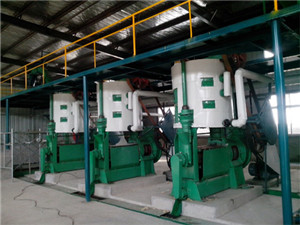
The cake from the expellers, containing 18-20% oil, is sometimes broken into uniform pieces prior to solvent extraction in which a solvent (n-hexane) is used that is specially manufactured for the vegetable oil industry.
Get Price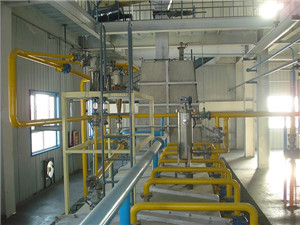
Ask the Expert: Concerns about canola oil | The Nutrition
Most canola is chemically extracted using a solvent called hexane, and heat is often applied which can affect the stability of the oil’s molecules, turn it rancid, destroy the omega-3s in
Get Price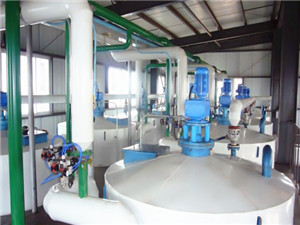
What are the edible oils extracted by direct solvent
Solvent extraction is sometimes used to extract oil from the hard palm kernel. The most common process for crushing sunflower and canola seeds is to use a mechanical press to get out about 60% of the oil and then feed the press cake to a solvent extraction plant.
Get Price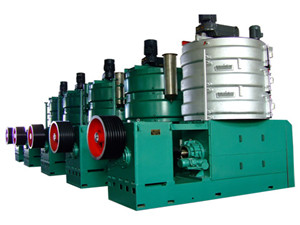
The Difference Between Solvent Expelled, Expeller Pressed
Solvent expelling gets 97-99% of the oil out of the seed. It is the most efficient way to get all the oil from the canola seeds. That is one of the reasons that it is the cheapest canola option on the market. Expeller Pressed Process. Expelled pressing uses a press to physically squeeze the oil out of the seed, rather than use chemicals.
Get Price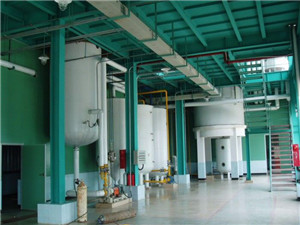
Solvent Extraction Method for Edible Oil Processing
Solvent extraction is a chemical oil extraction method to process oil out from vegetables, oilseeds and nuts by solvent, and Hexane is the preferred choice. Industrial oil processing for the edible oil generally involves the solvent extraction step which may or may not be preceded by pressing.
Get Price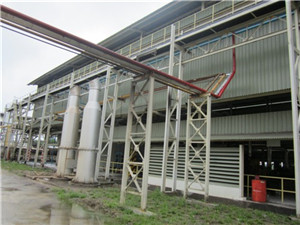
The Perfect Solvent for Cannabis Extraction — CannaBiz
So, what is a perfect solvent or extraction process? It should be fast, easy, cheap, exhaustive (complete extraction), automatable, safe for the processor and safe for consumption in small amounts. This is a lot to ask of a solvent or even a solvent mixture, and herein lies the problem.
Get Price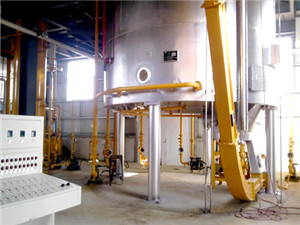
Solvent Extraction - AOCS Lipid Library
In comparison, solvent extraction with hexane (the primary solvent used worldwide) will remove all but about ½% of residual oil, uses less horse power, and requires less maintenance. It is relatively efficient and reliable, and this is one reason why solvent extraction is the primary means of separating large tonnages of oil from protein meal.
Get Price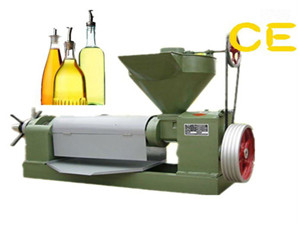
Extracting Oils From Plants — | Quinn Snacks
Solvent extraction is the method used in pretty much all conventional oils. This method uses solvent extracts to get the oils out of the plant which not only produces higher yield, but it’s less expensive than expeller and cold pressed methods, and its’ quick.
Get Price
What Dissolves Oil? | Sciencing
Petroleum contains different kinds of oil, such as fuel oil and lubricants, and many other oils come from vegetable matter, such as olive oil, palm oil, and canola oil. None of these oils mix with water at room temperature, but they dissolve in some organic solvents such as benzene or gasoline.
Get Price
What Is Solvent Extraction of Oil from Oilseeds
Solvent Extraction, as the name suggests is a process to extract the oil from oil bearing materials by means of Solvent, Solvent used being normal Hexane – a petroleum by-product. The processing vegetable oil in commercial applications is commonly done by chemical extraction, using solvent extracts, which produces higher yields and is quicker
Get PriceCanola Oil extracted with solvent hexane? - Soylent Community
What about claims that canola oil is extracted using toxic chemicals? To produce canola (and other vegetable) oils, the plant’s seeds are crushed and then typically heated and subjected to chemical solvents, like hexane, to extract the oil.
Get PriceExtraction of canola seed (Brassica napus) oil using
1. Introduction. Canola oil is characterized by a low level of saturated fatty acids and the residual meal is a valuable source of protein used mainly as animal feed (Thobani and Diosady, 1997).The industrial process applied to produce canola oil involves mechanical pressing and extraction using hexane as the solvent to separate the oil and meal (Thobani and Diosady, 1997).
Get Price
Canola Seed Solvent Extraction Plant - Oil mill
Canola or rape seed oil is widely used as cooking oil and in many parts of the worlde for deep frying. The meal obtained after extraction can be used as animal feed with the exception of poultry due to its high protein content.
Get Price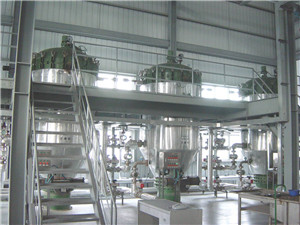
Solvent Extraction Plant Expert - Oil Mill Plant
Solvent extraction is a process to extract the oil from oil bearing materials by means of a solvent. A typical solvent used is hexane, a by-product of petroleum. The solvent extraction plant is designed to extract oil directly from oil seeds containing less than 20% oil, like soybeans, after flaking.
Get Price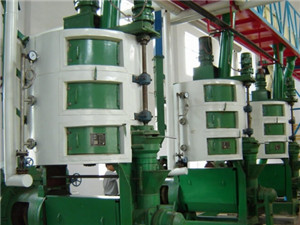
Methods of Extraction for Vegetable (Carrier) Oils
Sometimes it is necessary to use a solvent in order to extract the oil from certain seeds, nuts or kernels in order to make the extraction cost effective. Once the oil has been obtained, the solvent is then removed from the oil, but a trace percentage of the solvent may still be present in the final oil.
Get Price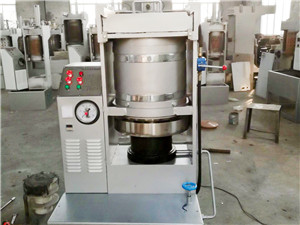
EXPERIMENTAL RESEARCH OF OIL EXTRACTION FROM
The kinetics of extraction of the canola oil by solvents hexane and alcohol under different temperature regimes is reflected in Figs. 2, 3.With increasing temperature, the rate of oil extraction increased .
Get Price
The Dangers of Vegetable Oil Extraction and Processing
Third, we toured one of the largest vegetable oil extraction and refining plants in California, specializing in the production of safflower oil. There are three methods of extracting vegetable
Get Price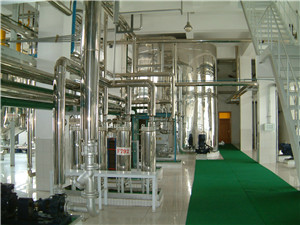
Canola oil
Almost all commercial canola oil is then extracted using hexane solvent which is recovered at the end of processing. Finally, the canola oil is refined using water precipitation and organic acid to remove gums and free fatty acids, filtering to remove color, and deodorizing using steam distillation.
Get Price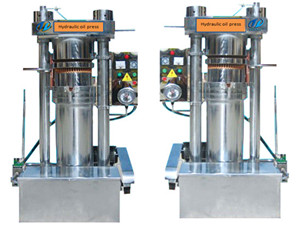
Canola Oil - How It's Made & Why You Should Avoid It!
No such plant as the “canola plant” canola oil comes from Canada. That is how it got it’s name canola (Canada oil) the people of Canada think that us Americans are out of our minds to use this toxic oil for cooking, for in Canada is it used to grease machinery.
Get Price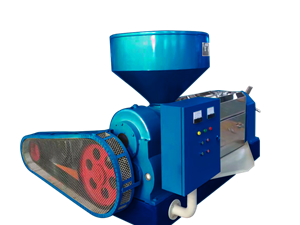
Oil Dissolving Solvents - Industrial Solvents & Degreasers
Before we propose a replacement cleaner, we carefully consider the needs of the customer in terms of budget, frequency of solvent use, place of solvent use, and reason(s) for solvent use. Once we know these pieces of information, we can make an educated recommendation for replacing a dangerous oil dissolver with something safer.
Get Price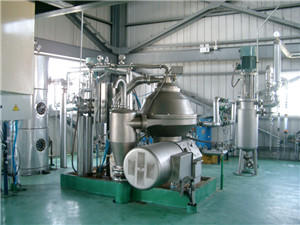
Two-phase solvent extraction of canola
The equilibrium relationships in the extraction process that was developed in our research laboratory for the treatment of canola were studied. In the process, hexane is used as well as CH3OH that...
Get Price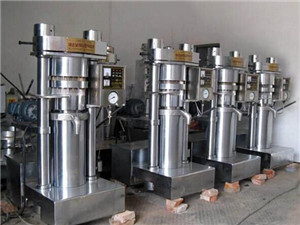
Processed To Death – Get These Cooking Oils Out of Your
What they don’t tell you in this video is that the “solvent” that is most often used to extract the oil is the neurotoxin hexane – and as you can see it’s literally bathed in it. Hexane is a cheap byproduct from gasoline production, that’s a serious occupational hazard and toxic air pollutant .
Get PriceThe Ugly Truth: Vegetable Oils Are Bad - Thank Your Body
The most common include rapeseed (canola oil), soybean, corn, sunflower, safflower, peanut, etc. Unlike coconut oil or olive oil that can be extracted by pressing, these new-fangled oils have to be extracted in very unnatural ways.
Get Price
Canola Oil Myths and Truths | Berkeley Wellness
Canola oil can be used, for example, as a pesticide (it smothers insects), industrial lubricant, and biofuel—but that’s true of any vegetable oil. It’s also used to
Get Price
What Is Cold Pressed Oil? | LIVESTRONG.COM
Olive, sesame, sunflower, canola and coconut oil can all be extracted using cold-pressed methods and used for flavor in marinades, salad dressings and baked goods. Makers of aromatherapy and cosmetic products use oils from almonds, jojoba, rosehip seeds and more.
Get Price
Ch10 - Food and Agriculture Organization of the United Nations
Other traditional systems used in rural oil extraction include the use of heavy stones, wedges, levers and twisted ropes. For pressing, a plate or piston is manually forced into a perforated cylinder containing the milled or pulped oil mass by means of a worm.
Get PriceDifference between Soybean Oil and Canola Oil | Soybean
drying oil, processed soybean oil is also used as a base for printing inks (soy ink) and oil paints recommended that the canola oil is regarded to be the fertility-preserving vaginal lubricant In cooking used in
Get Price
What is Cold Pressed Oil? (with pictures)
Cold pressed oil is oil produced through a combination of grinding and low heat. Many types of fruits, seeds, and vegetables can be used to make it, but not all cooking oils go through this process. The introduction of heat to the process of making
Get Price
Hexane Honey Oil | Skunk Pharm Research
Test the Oil in the oven, If you can still taste the Hexane after step #10 when smoked, redislove the oil into fresh 190 proof Alcohol and purge in the oven again until the Hexane
Get Price
Are All Oils the Same for Feeding to Horses? | The Feed Room
The common vegetable oils used in horse feeds are corn oil, soy oil and flax oil (linseed oil). Canola oil, sunflower oil, coconut oil and palm oil are also used, but less frequently. Animal fats, excluding fish oil, are not currently used very commonly in horse feeds in the United States due to customer concern, and potential palatability
Get Price
Extraction Process | The Olive Oil Source
The first step in the oil extraction process is cleaning the olives and removing the stems, leaves, twigs, and other debris left with the olives. The olives should be washed with water to remove pesticides, dirt, etc. Rocks and sand will damage a hammermill and quickly wear out a centrifugal decanter or oil separator, reducing life span from 25
Get PriceAvocado oil faq: uses, benefits & more | Chosen Foods
Canola oil is the most common of all cooking oils. Its smoke point is around 400 degrees, high enough to saute, deep fry or bake with. The danger with canola oil lies in its processing and its polyunsaturated fatty acid content.
Get Price
METHANOL EXTRACTION METHOD - Google Docs
If hexane is the most commonly used solvent, isohexane appears to be the most likely candidate to replace n-hexane as the preferred oilseed extraction solvent, mainly in USA to avoid federal environmental regulations applying to the use of n-hexane.
Get PriceIs Canola Oil Healthier Than Other Vegetable Oils? Or is
Aside from the obvious source material, the main difference between canola oil and olive oil is that canola is an industrially processed oil. On the other hand, olive oil is usually cold-pressed in a more natural production process.
Get Price
Methods of Extraction for Vegetable (Carrier) Oils
Sometimes it is necessary to use a solvent in order to extract the oil from certain seeds, nuts or kernels in order to make the extraction cost effective. Once the oil has been obtained, the solvent is then removed from the oil, but a trace percentage of the solvent may still be present in the final oil.
Get Price
22 REGULATORYAFFAIRS ARTICLE • January 2004 Volume
solvent or mechanical extraction of oilseeds or oil-bearing plant and animal materials or by heat rendering of animal tissues. When a solvent is used to extract edible oil from oil-bearing materials in the United States, fed-eral and state workplace, environmental, and food safety regulations have to be complied with.
Get Price
9 Reasons Canola Oil Is Bad for You (as in, Toss It ASAP)
Chemical solvents: Most commercially available canola oil is extracted through a process called hexane solvent extraction. Hexane solvent extraction is by far the cheapest and most efficient way to extract canola oil. After grinding the seed to a paste, hexane is used to extract the oil, which is then heated to 212 degrees fahrenheit and then bleached to create a lighter-colored final product.
Get Price
Corn Oil Extraction Plant, Corn Oil Processing Plant
Corn germ cake solvent extraction workshop uses the organic solvent to extract oil from the corn germ cake through soaking or spraying methods. There is only less 1% oil content in the meal after solvent extraction.
Get Price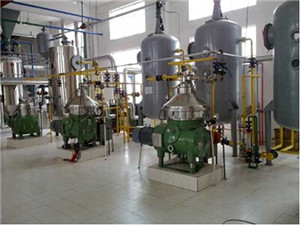
Solvent Extraction Plant | Solvent Extraction Process
Solvent extraction as the name describes is “extraction of oil” from seeds, cakes or oil bearing material by using a Solvent. Normally Hexane a petroleum by-product is used as a solvent. Normally Hexane a petroleum by-product is used as a solvent.
Get Price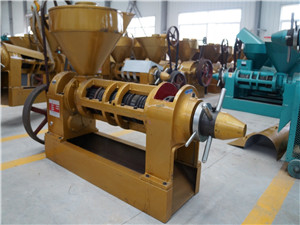
Canola Oil Myths and Truths | Berkeley Wellness
In Europe, canola oil is produced from non-modified plants only. What about claims that canola oil is extracted using toxic chemicals? To produce canola (and other vegetable) oils, the plant’s seeds are crushed and then typically heated and subjected to chemical solvents, like hexane, to extract the oil.
Get PriceProcess of Expeller-Pressed Canola | Pacific Coast Canola
In a conventional canola processing plant, about 65 percent of the oil is removed via a single set of expellers, but most of the remaining 35 percent is removed
Get PriceManufacture of Oil solvent extraction plant _Oil
Solvent extraction plant is a better way to extract oil from oil seeds, and after extracted, the oil residue rate will be only around 1%, which is suitable for the low oil content rate seeds. Solvent Extraction is a process involving the injection of Hexane into the oil bearing cells of seeds resulting in a mix of oil and solvent, the so called
Get Price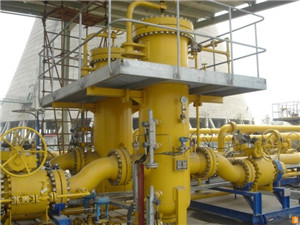
Hexane used to extract oil for Canola Oil. Does Soylent
I personally prefer to use oil that is processed with care, so I plan on using Udo Oil 3-6-9 blend for my oil. I’ve been using it off and on for years, and it’s a great product.
Get PriceExtraction of Oil from Canola Seeds With Supercritical
solvent extraction and straight liquid solvent extraction. Hexane is widely used as a solvent in the processing of vegetables' oils; however, the limitation of this extraction
Get Price
Comparison of Ethyl Acetate with Hexane for Oil Extraction
For canola seed, oil extraction using hexane and ethyl acetate at 120 °C temperature, 90 min extraction time and a 5:1 solvent to seed ratio resulted in the maximum oil
Get Price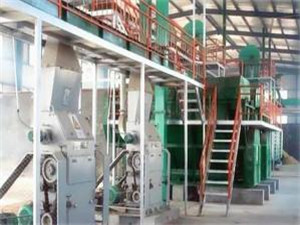
MATHEMATICAL MODELING OF SUPERCRITICAL FLUID
fluid extraction oil of canola and sesame seeds oil performed under some different operating conditions. The experimental results were used to develop a model of the extraction process. Many researchers have considered the Henry isotherm because the solvent was kept at below 0
Get Price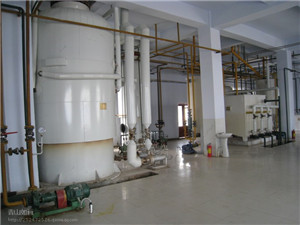
Role of Hexane in oil seed extraction | Pure Chemicals Co.
Seeds that are subjected solvent extraction process are rape seed, canola, sunflower, safflower, Soybean etc. Pure Chemicals Co. has 36 years of experience in chemical industry and is one of the largest supplier of hexane for all the big names in edible oil extraction industry that follow solvent extraction process.
Get PriceWhat’s the Future of Ethanol Extraction? | AZMMCC
Ethanol is a tried and true solvent that’s been used for centuries to craft tinctures, essential oils, and similar substances. In modern times, this lab-grade alcohol is still among the most commonly deployed solvents, used in products from food flavorings to Rick Simpson Hemp Oil .
Get Price