Oilseeds Pretreatment
Oilseeds pretreatment is the essential, comprehensive sequence of mechanical and thermal preparation steps that initiates the edible oil processing line. This critical foundational phase cleans, cracks, flakes, and conditions raw oil crops before they undergo mechanical pressing or chemical solvent extraction. It transforms variable, raw agricultural harvests—such as soybeans, sunflower seeds, peanuts, and rapeseed—into a highly uniform, structurally optimized feed stream.
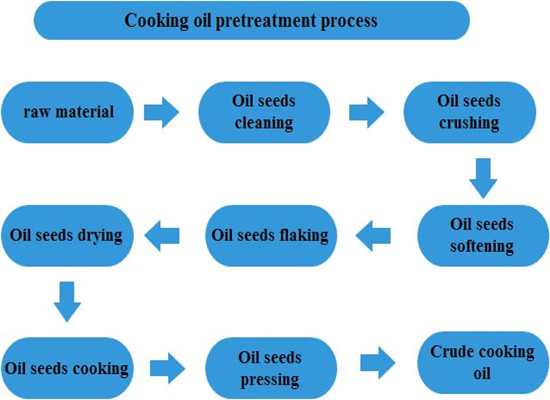
Oilseeds Pretreatment Process
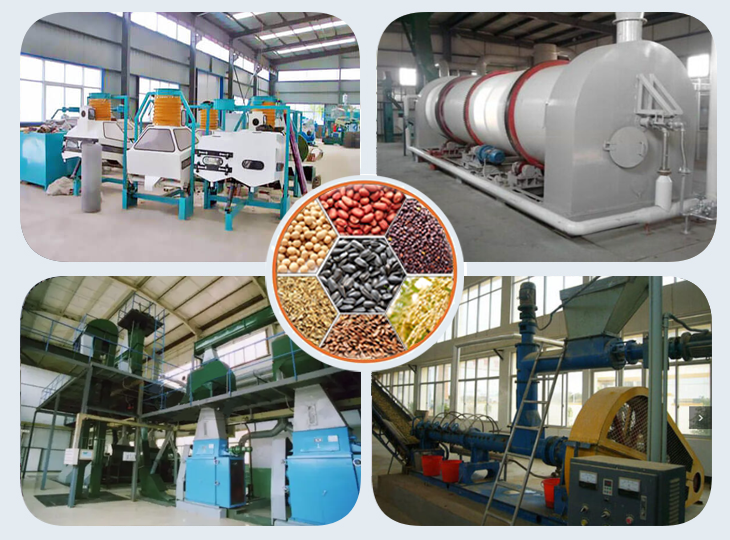
Different kinds of oilseeds have different oil content and physical properties. So the pre-treatment process varies slightly from one kind of seed to another. But most seed pre-processing includes cleaning, drying, dehulling, crushing, flaking,cooking and tempering. Below are typical oil seed pre-treatment processes of soybeans, canola seeds and sunflower seeds.
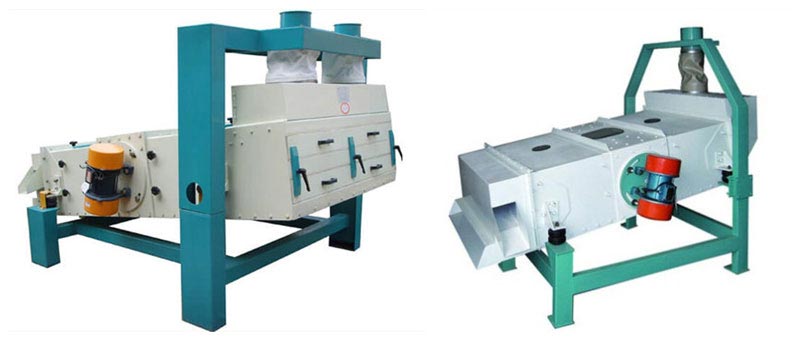
Cleaning and Destoning
The cleaning and destoning stage is the initial purification step that removes field debris from raw harvests. Multi-layer vibrating sieves separate large sticks and fine dust by size, while aspirators blow away light chaff. Finally, gravity destoners and magnetic drums isolate dense stones and ferrous metals to protect downstream machinery from abrasive damage.
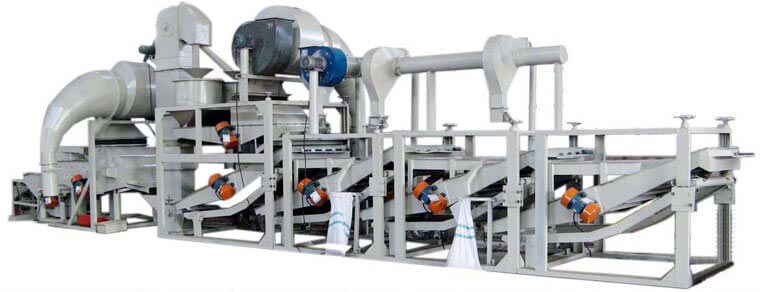
Dehulling and Hull Separation
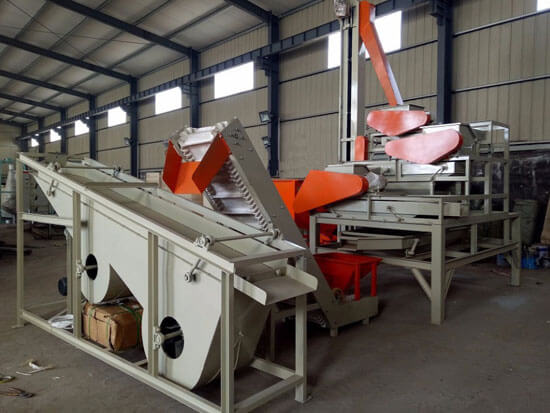
The dehulling and hull separation process removes the fibrous outer shells from crops like sunflower seeds and peanuts. Impact dehullers or corrugated rollers crack open the hulls without crushing the internal kernels. Aspiration systems then separate the light hulls from the heavy kernels, preventing non-oil waste from absorbing valuable oil during extraction.
Cracking and Breaker Milling
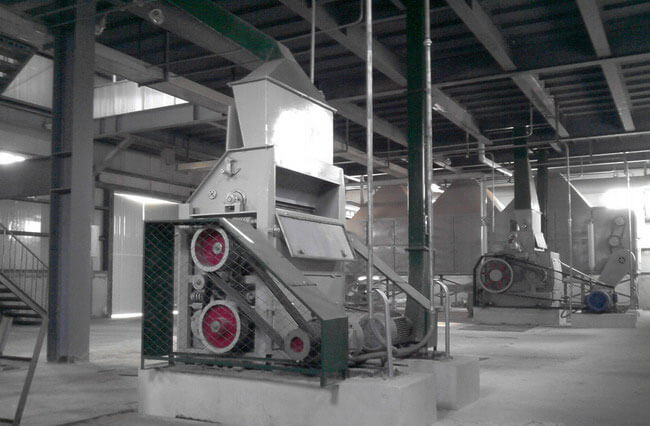
The cracking and breaker milling phase breaks down large whole seeds, such as soybeans, into smaller, uniform fragments. Opposing grooved roller mills mechanically slice the seeds into four to eight distinct pieces. This step standardizes particle size, ensuring consistent heat and moisture penetration during subsequent thermal stages.
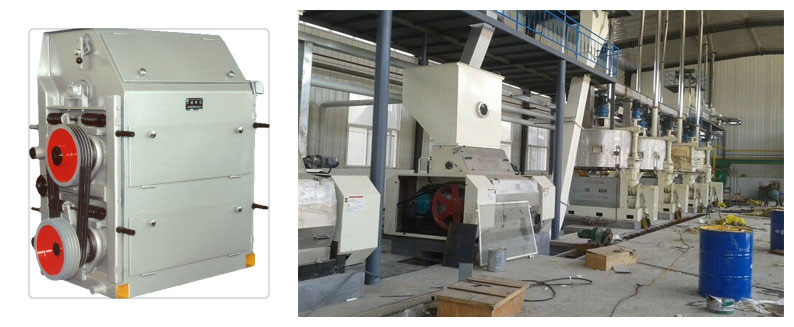
Flaking
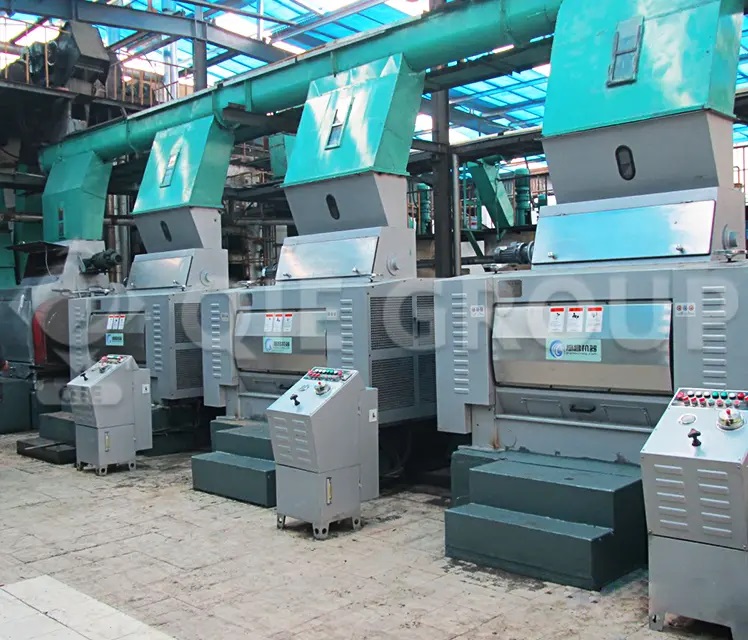
The flaking stage uses heavy, counter-rotating smooth rollers to flatten seed fragments into thin ribbons. Operating under intense hydraulic pressure, these chilled iron rollers fracture the microscopic, oil-bearing cell walls of the plant [ oilseeds flaking machine]. This compression creates uniform flakes (0.25mm to 0.40mm thick), maximizing the surface area for extraction.
Cooking and Conditioning
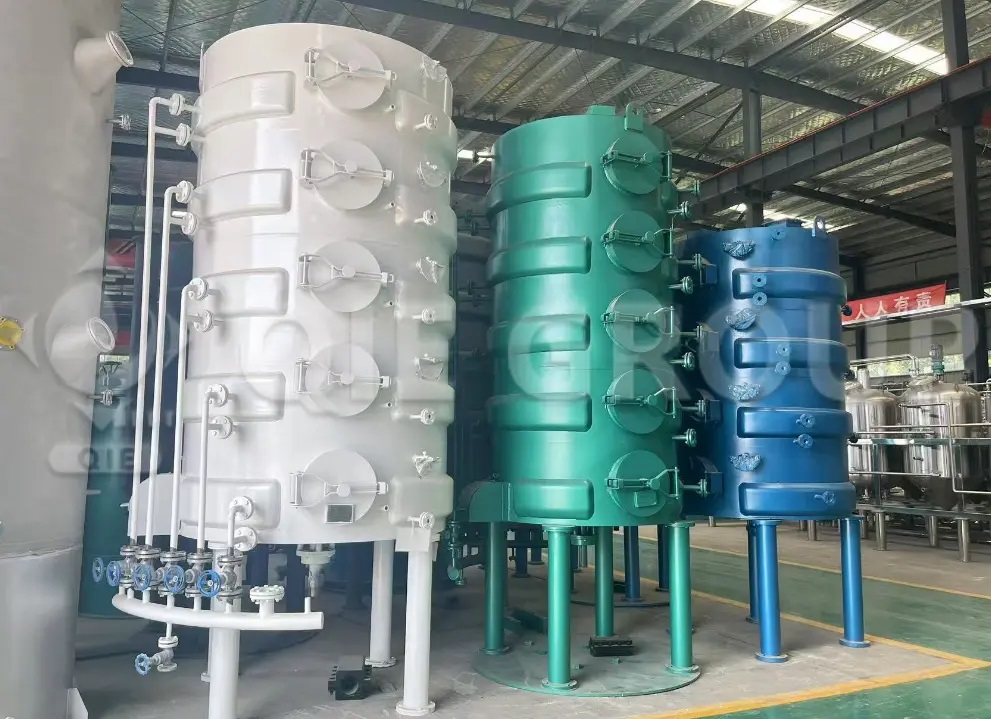
The cooking and conditioning phase applies controlled thermal energy to alter the physical and chemical state of the flakes. Vertical steam cookers or rotary conditioners heat the material to 90°C–105°C while adjusting moisture levels. This thermal treatment reduces oil viscosity, coalesces microscopic oil droplets, and denatures plant proteins for easy oil release.
Extrusion and Expansion
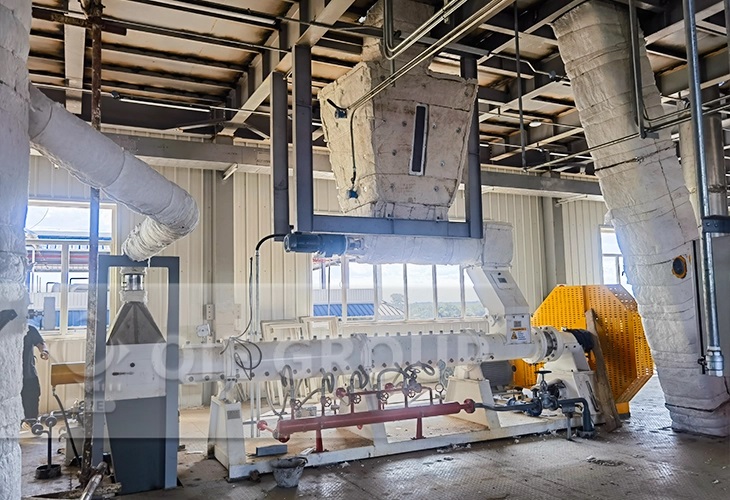
The extrusion and expansion stage is an advanced prep step that converts flakes into high-density, porous granules called collets. High-shear modular screws force the cooked material through an enclosed barrel under intense pressure and steam. As the material exits the die plate, sudden pressure drops cause moisture to flash into steam, creating an open structure that accelerates downstream solvent extraction.
Main Equipment of Oilseeds Pretreatment
Cleaning and Destoning Equipment
- Vibrating Sieve Classifier: Separates large stalks and tiny dust using dual-layer oscillating mesh screens.
- Gravity Destoner: Employs an inclined fluidized deck to separate heavy stones from lighter oilseeds based on gravity.
- Magnetic Drum Separator: Utilizes high-intensity permanent magnets to continuously capture iron fragments, wire, and nails.
- Winnowing Aspirator:: Directs a controlled upward air current to lift away lightweight chaff, hulls, and dust.
Dehulling and Hull Separation Equipment
- Corrugated Roller Mill: Cracks open tough outer hulls by feeding seeds through a precise gap between grooved rollers.
- Impact Dehuller: Throws seeds against a hardened anvil ring using a high-speed rotor to shatter outer shells.
- Hull Aspirator Separator: Multi-deck fan channel that lifts light hulls upward while allowing heavy oil-rich kernels to drop.
Cracking and Breaker Milling Equipment
- Toothed Roller Cracker: Slices large whole oilseeds into four to eight uniform pieces using pairs of sharp, grooved rollers.
- Feed Distributor: Vibrating top-mounted gate that ensures a perfectly even stream across the entire width of the cracking rollers.
Mechanical Flaking Equipment
- Hydraulic Flaking Mill: Compresses seed fragments into 0.25mm thin ribbons using heavy, smooth chilled iron rolls.
- Hydraulic Accumulator System: Maintains continuous, extreme pressing force (up to 80 bar) between the counter-rotating rollers.
- Scraper Blade Assembly: Constantly cleans the roller surfaces to prevent sticky seed flakes from wrapping around the drums.
Cooking and Conditioning Equipment
- Vertical Layered Cooker: Stacked steam-jacketed vessels equipped with rotating agitation paddles to heat and moisten flakes.
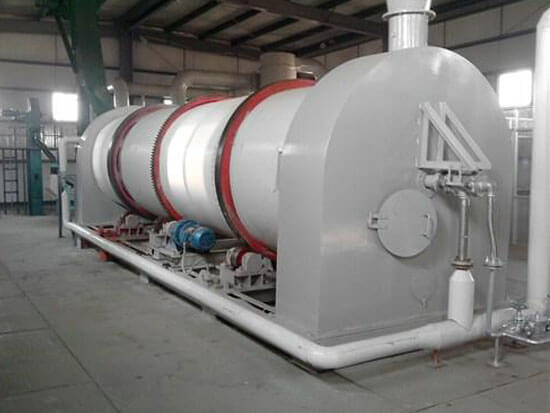
- Rotary Drum Conditioner: Horizontal rotating cylinder that tumbles seeds through indirect steam-tube heat for uniform thermal preparation.
- Automatic Moisture Injector: Direct steam nozzles that automatically adjust the humidity of the seed mass for oil viscosity reduction.
Extrusion and Expansion Equipment
- High-Shear Screw Extruder: Heavy-duty segmented screw that forces cooked material through a tight barrel to build friction pressure.
- Steam Injection Manifold: Feeds high-pressure steam directly into the extruder barrel to flash-cook the moving oilseed mash.
- Die Plate and Cutter: Shapes and cuts the expanding, porous collets as they discharge into atmospheric pressure.
Is oilseed pretreatment necessary in the edible oil production process?
Yes, oilseed pretreatment is considered an indispensable and necessary step in the commercial edible oil production process. While it is technically possible to throw raw, unprocessed seeds directly into a small home-scale screw press, skipping pretreatment in commercial facilities leads to drastically reduced oil yields, broken machinery, and low-quality oil.
Why Pretreatment is Necessary?
The preparation steps shape the seeds into an ideal structural state to meet the requirements of downstream mechanical pressing or chemical solvent extraction.
Skipping this phase impacts the entire operation in several critical ways:
Maximizes Oil Yield: Processes like crushing, flaking, and cooking destroy the internal cell structure of the seed. This breaks open the cell walls, allowing the oil to flow out smoothly and efficiently.
Protects Downstream Machinery: Raw oilseeds harvested from fields naturally contain abrasive impurities like sand, stones, glass, and metal fragments. If these are not removed by cleaning machinery, they cause severe, accelerated wear on expensive oil expellers and extraction systems.
Improves Oil Safety and Quality: Pretreatment stabilizes the seeds by deactivating natural enzymes and anti-nutritional factors that cause rapid oxidation, rancidity, and off-flavors.
Lowers Production Costs: Removing parts like the outer husk (dehulling) means the extraction machinery doesn’t waste energy processing low-oil material. It also prevents the hulls from absorbing and trapping the oil, which would otherwise be lost in the byproduct cake.