Oilseeds Extruder Machine
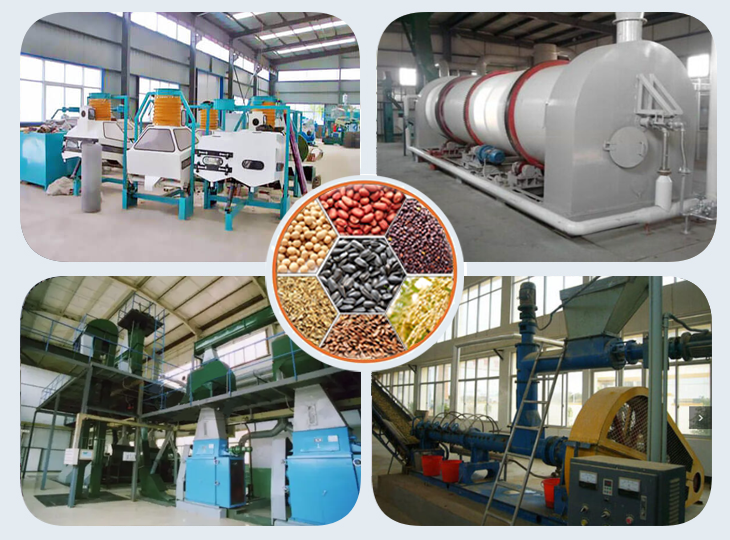
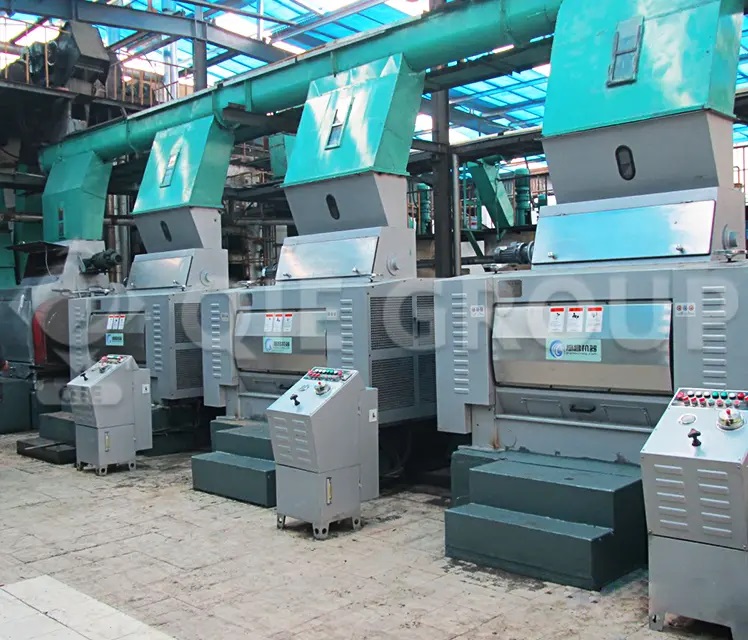
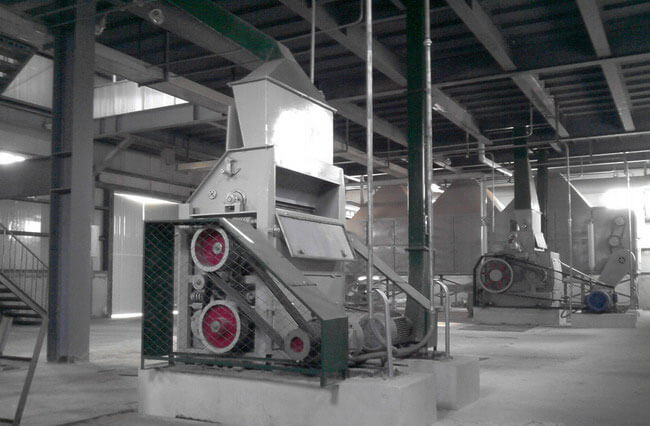
An oilseeds extrusion machine—often called an oilseed extruder or expander—is an advanced pre-treatment system used primarily in large-scale edible oil extraction plants, particularly for processing soybeans and rice bran. It uses a combination of mechanical friction, intense pressure, and direct steam injection to transform crushed or flaked oilseeds into highly porous, consolidated granules known as “collets.” This thermal and mechanical transformation serves as the final prep step before the material enters a solvent extraction plant.
Soybean Extruder Machine
A soybean extruder machine—also known as a soybean expander—is a specialized thermal-mechanical processing system engineered to pre-treat soybeans prior to oil extraction or to produce full-fat soy meal for animal feed. It subjects the soybeans to a rapid high-temperature, high-pressure short-time (HTST) process using mechanical friction and steam. This process deactivates harmful anti-nutritional factors natively present in raw soybeans while breaking down cellular structures to make both the oil and proteins highly accessible.
Working Principle of Soybean Extruding Technology
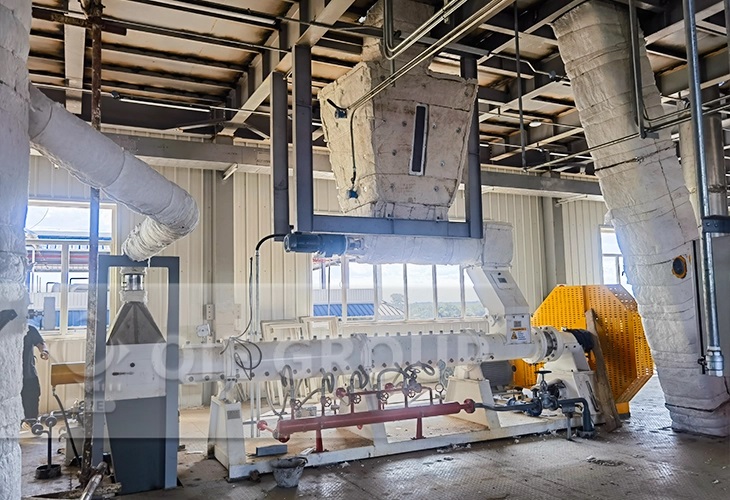
Extruding technology refers to process the powdered or flaked materials by functional wet and heat treatment, that is, through mixing, extrusion (heating extrusion), gluing, decompression puffing molding, cutting and cooling, drying and other physical and biochemical processes, so as to form the materials with structured shape, further is beneficial for oil extraction, food processing and feed application.
The working principle of extrusion in oil extraction process: the flakes or the powder oilseeds materials is fed into extruder machine, then in the propulsion of the spiral, by the spray of direct steam heating and tempering, the role of the spiral and shear pin in the cavity, resulting in strong friction, chopping, kneading, extrusion, temperature, humidity, pressure rising, so that the oil cells are fully destroyed, moderate denaturation of proteins, harmful substances are passivated, the oil and grease is puffed. Harmful substances are passivated, grease viscosity is reduced (high oil content material grease part is squeezed out).
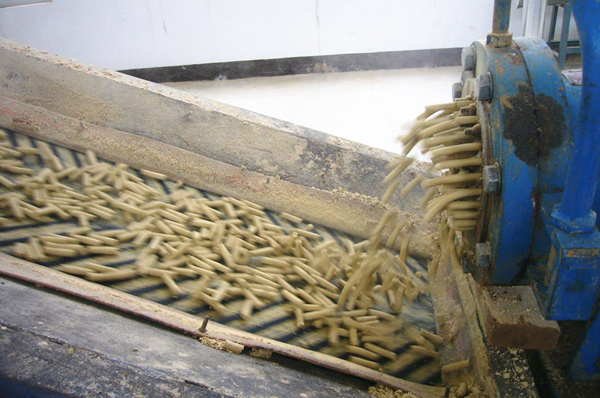
After high temperature, high pressure (about 200 ℃, about 7MPa), the material is finally pushed to the discharge end, by the die hole plate instant pressure reduction spray burst and out. So that the material expands sharply, the internal water evaporates quickly and forms porous structure. It becomes a cooked embryo with high strength and good permeability, which is conducive to solvent oil extraction. Extruding has been applied in cooking oil production industry and push the development of the world’s cooking oil production technology. Nowadays, extruding has become the mainstream technology in soybean oil extraction and canola oil extraction.
Rice Bran Extruder Machine
The cell tissue of the rice bran is completely destroyed and the enzymes in the oilseeds are passivated, through the mechanical and chemical effects of extrusion, rubbing, shearing, pressure, the humid and hot action of injection into the steam, friction and fever, etc.
When the oilseeds is discharged from the extruder, the condition of the oilseed is changed from high temperature and pressure to atmospheric pressure and temperature in a moment, resulting in the rapid release of water from the material structure, and then the oilseed is expanded and formed, so as to obtain loose and high strength extruded materials.
Usage and Features of the Oil Extruding Machine
- Improved oil solvent extractor capabilities.
- Increased speed of extraction for reduced production time.
- Reduced solvent content in wet meal to reduce the load of the dosolvatizer.
- Improved miscella concentration to reduce the load when vaporizing the solvent in the miscella.
- Increased passivation of the enzymes which stay in the oil to improve the quality of extracted crude product.
- Reduced energy consumption.